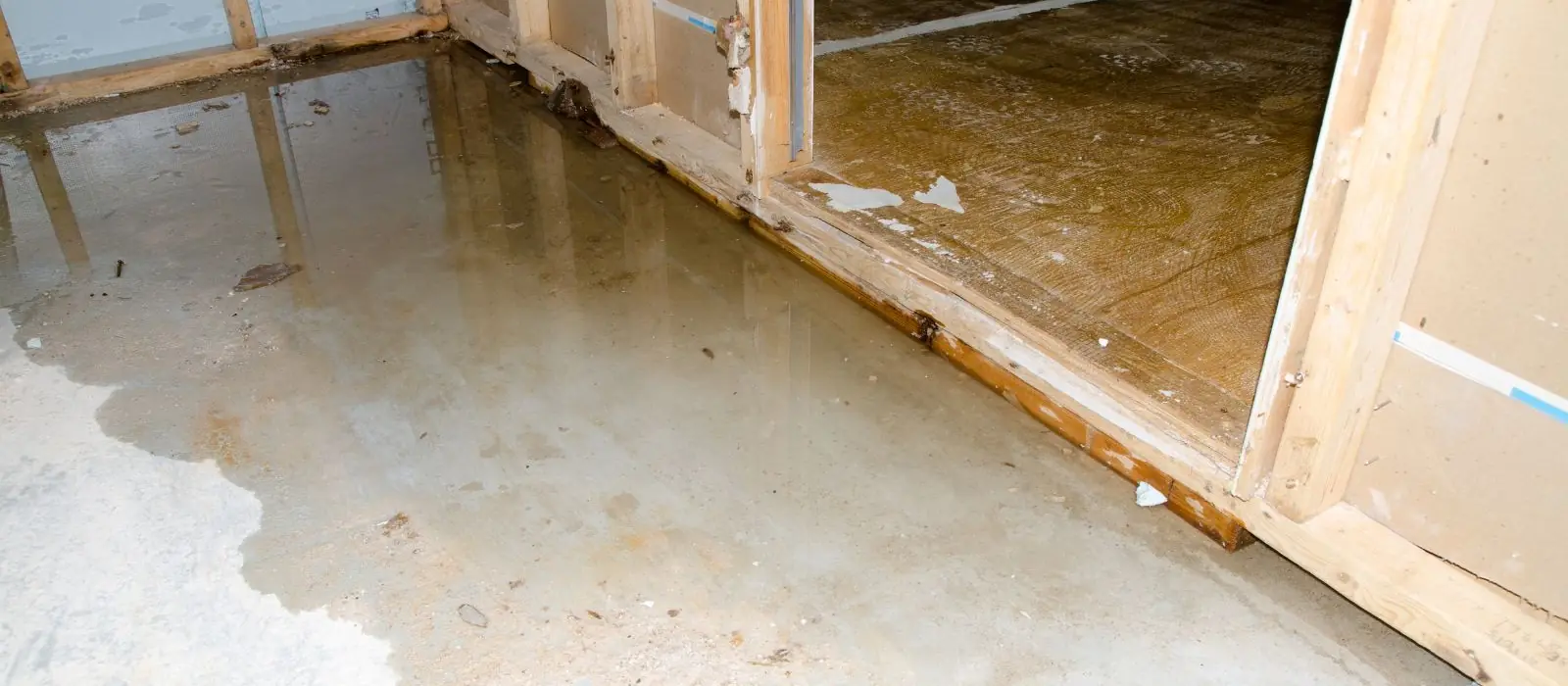
After a nor'easter or a stalled line of thunderstorms, water finds the lowest part of a house. In many Marblehead homes, that is a basement or cellar with a furnace, a water heater, a panel and a lifetime of stored belongings. Water that came in through a foundation wall, a window well or a floor drain carries silt, bacteria and sometimes oil, so treat it as contaminated until proven otherwise.
The sequence matters. Making the space safe, then removing water at the right speed, then sorting what can be saved, then drying, gives the best chance of avoiding a second round of damage.
Before you step downstairs: power, gas and sewage
Electricity and water do not mix, and a basement is where the electrical service often enters. If water is touching outlets, the furnace or the panel, or you have to wade through water to reach the breaker box, do not go in. Call 911 or your electric utility and have the power shut off at the street or meter.
If you smell gas or hear hissing from a heating system or water heater, leave the house and call 911 or the gas utility from outside. Do not light anything or flip switches on the way out.
Safety note
Never use a gas-powered pump or generator indoors, because carbon monoxide builds up fast in a closed house. If the water has a sewage smell or came up through a floor drain, keep children, pets and anyone with open wounds away. Wear waterproof boots, gloves and eye protection, and wash well afterward.
Find out what kind of water you have
Clear water from a failed supply line is a different problem from storm water or sewer backup. Water that rose from outside or came up a drain is generally handled as contaminated, which affects what you can keep and what the crew will wear. ANSI/IICRC S500 is the published standard that categorizes water this way, and you can ask any company whether its crews follow it.
Salt water from a coastal surge adds another issue. It corrodes electrical components and metal, so a furnace or panel that sat in it should be inspected by a qualified professional before it is used again.
Pumping out: go slow with a saturated foundation
When the ground around the house is soaked, the water outside the foundation presses on the wall as hard as the water inside does. Drain the basement too fast and that pressure can crack a wall or push it inward. Emergency management guidance commonly advises lowering the water in stages over a day or more rather than all at once.
If you are unsure how saturated the soil is, or if the wall is bowing, hire a professional who can judge the pace and the pump setup. Marking the water line with tape each hour tells you whether it is dropping or still rising.
Need water pumped out safely?
Call the dispatch line any hour. Tell us how deep it is and whether power is off, and we will explain next steps.
What to throw out and what may be saved
| Item | Usually discard? | Notes |
|---|---|---|
| Carpet and pad | Yes, if contaminated water soaked it | Porous materials hold contaminants that cleaning cannot reliably remove |
| Drywall and insulation below the water line | Usually yes | Cut-out heights are often higher than the visible stain because water wicks upward |
| Mattresses, upholstered furniture, stuffed toys | Yes | Cannot be adequately sanitized once soaked |
| Cardboard boxes and paper | Yes | Breaks down and supports mold quickly |
| Solid wood furniture, glass, hard plastic, metal | Often saved | Can often be cleaned and disinfected and then dried |
| Appliances and electronics | Have them inspected | Do not power them on until a qualified technician checks |
| Concrete floor and masonry walls | Keep | Clean, disinfect and dry thoroughly |
Photograph everything before it goes to the curb. Our page on emergency water removal covers what crews do once the water is deep enough to need pumps.
Drying, and the mold clock
After pumping and removing wet materials, the structure still holds water. Concrete, block and the lower ends of framing dry slowly, so expect days, not hours. The Massachusetts DPH guide says wet areas should be completely dried in 24 hours, and also acknowledges that after a flood it may be difficult or impossible to dry an area within 24 to 48 hours.
Run dehumidifiers and keep the space closed while they work. Mold needs moisture, so the practical job is to remove that moisture quickly and to watch for musty odors or visible spotting over the following weeks.
Disinfecting the space and what to expect from a crew
Remove wet materials
Wet carpet, pad, low drywall and insulation come out and are bagged or hauled away.
Clean hard surfaces
Scrub concrete and masonry to remove silt, then apply a disinfectant labeled for the purpose and follow its directions.
Dry the structure
Air movers and dehumidifiers run while moisture readings are logged until the goal is met.
Check for mold
If visible mold or a persistent smell shows up, stop disturbing it and consider mold remediation practice under S520.
Rebuild last
Replace drywall, trim and flooring only after the structure reads dry.
Marblehead note: sump pump rules and flood-prone areas
The Town of Marblehead states that homeowners are prohibited from discharging sump pump connections into the sanitary sewer system, and that the Department of Public Works is the contact for connecting a sump pump to the town's drainage. When you run a temporary pump during cleanup, keep the discharge hose away from sewer cleanouts and ask DPW where it can be directed.
The Commonwealth's Municipal Vulnerability Preparedness (MVP) planning grant report names Atlantic Avenue at Preston Beach, Goldthwait and Wymans Woods (West Shore Drive) among Marblehead's flood-prone areas. If your home is in or near one of them, plan for repeat exposure: check the FEMA flood map for your address, ask your insurer about flood coverage and consider whether a sump system with a battery backup fits your basement.
Sources: Town of Marblehead, marblehead.org (sump pump page) and Commonwealth of Massachusetts MVP Planning Grant Report 2017-2018, mass.gov
What drives basement flood cleanup scope
Water depth and duration
Deeper, longer-standing water soaks higher into walls and framing.
Contamination level
Sewage or storm water means more material removal and more protective work.
Finished versus unfinished space
Finished walls, floors and built-ins add demolition and drying work.
Equipment and days on site
Dense foundation materials dry slowly, which extends the monitoring period.
Your insurance may or may not respond to this loss, because storm and surface water is usually excluded from standard policies. Check your policy and ask your insurer. Real pricing for your property is set once the scope is known, and the dispatch line is the way to get there.
If you live across the line, the same approach applies in Swampscott and Lynn.
Frequently Asked Questions
Is it safe to go into a flooded basement?
Not if water touches outlets, the panel or the furnace, or if you smell gas. Have the power shut off first by a qualified person or your utility, and wear boots, gloves and eye protection if you must enter once it is safe.
How fast should I pump out a flooded basement?
Slowly, if the soil outside is saturated. Rapid pumping can let the outside water pressure crack or push in a foundation wall. Lowering the level in stages is commonly advised, and a professional can set the pace.
What should I throw away after a basement flood?
Porous items that were soaked by contaminated water, such as carpet, pad, mattresses, cardboard and low drywall, are usually discarded. Hard items like metal, glass and solid wood can often be cleaned. Photograph before disposal.
How soon does mold start after a basement flood?
It can take hold within a day or two on damp organic materials if the space stays humid. The Massachusetts DPH guide targets complete drying within 24 hours where possible, so start removing moisture right away.
Can I connect my sump pump to the sewer in Marblehead?
No. The town says homeowners are prohibited from discharging sump pump connections into the sanitary sewer system. Contact the Department of Public Works about connecting to the town drainage system.
Does insurance cover a flooded basement?
It depends on the cause. A burst pipe may be covered, while storm or surface flooding is usually excluded from a standard policy, and some policies add a water backup endorsement. Check your policy and ask your insurer.
Which parts of Marblehead are flood-prone?
The Commonwealth's MVP planning grant report names Atlantic Avenue at Preston Beach, Goldthwait and Wymans Woods (West Shore Drive), along with other areas. Check the FEMA flood map for your own address.