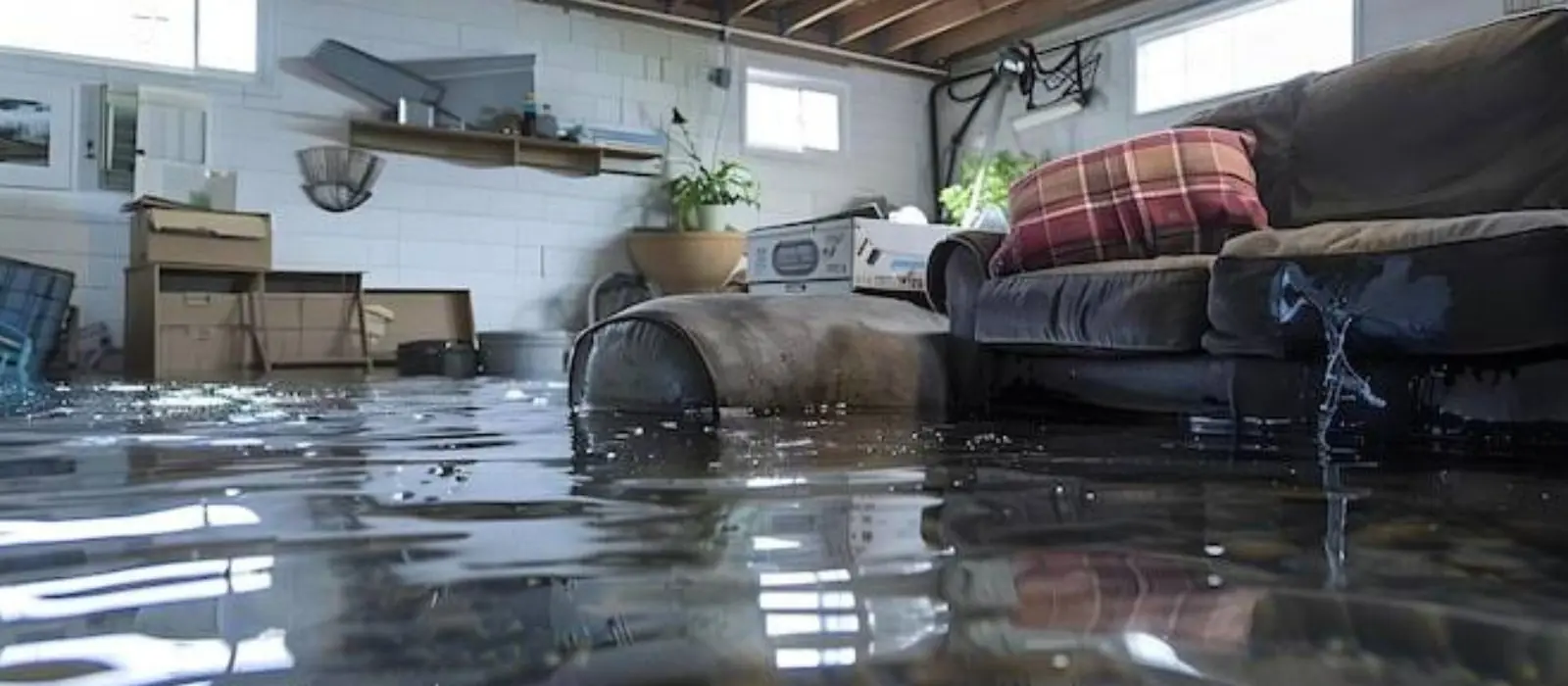
Floodwater in your home is an emergency, and the dispatch line at Marblehead Water Damage Pros answers 24/7. While you wait for a crew, stay out of standing water, keep children and pets away, and lift valuables, papers and electronics onto high shelves. If a pipe, tank or appliance is feeding the water, shut the main water valve first.
Cut power to wet areas only if the panel is dry and you can reach it without stepping in water. If you see sparking, smell gas or cannot reach the panel safely, leave the house and call 911 or the utility before you call us.
Brown water in the basement or sewage coming up a drain?
Brown or gray water on a basement floor, a drain that gurgles and then overflows, or a slab that stays wet days after a storm all point to the same problem: water that did not come from your clean supply. That is flood damage restoration, and it differs from a burst-pipe cleanup because the water carries soil, bacteria and sometimes sewage.
- Stay out of the standing water and keep children and pets out of the room.
- Photograph the water line, the damaged items and the outside of the home before anything is moved.
- Do not run a vacuum, fan or appliance that sits in or near the water.
- Do not flush toilets or run sinks if sewage is coming up a drain.
- Move paper files, electronics and keepsakes to a dry room or upper shelf.
Electrical, gas and sewage risk come first
Water touching outlets, a basement panel, a furnace or a sump pump motor can energize the water around it. If you hear buzzing, see sparking, smell gas or cannot reach the panel dry, leave and call 911 or the utility before you call the restoration line.
Our dispatch line handles the cleanup that follows once the hazard is under control.
Basement flooding cleanup
Most Marblehead flood calls end in the basement because it is the lowest point and the first place groundwater, runoff and tide-driven water arrive. The first job is extraction. Pumps pull the standing water, then wet-dry extractors lift what remains from the slab, carpet and stair treads. A few inches soaks baseboards and carpet, while a foot or more reaches wall cavities and the furnace base.
Next the crew removes porous materials the floodwater ruined, usually carpet, pad, the bottom stretch of drywall and insulation. Slab and framing are cleaned and treated, and air movers and dehumidifiers run until moisture readings come down. A concrete slab holds moisture longer than most people expect, so drying often takes several days.
One Marblehead rule matters when you replace a failed pump: the town prohibits discharging sump pump connections into the sanitary sewer. If you do not know where your pump discharges, ask the Highway and Drain Departments at 3 Tower Way before you buy a new one.
Water in the basement right now?
Call the dispatch line, describe what you see, and get a restoration professional lined up. Scope and price are explained before work starts.
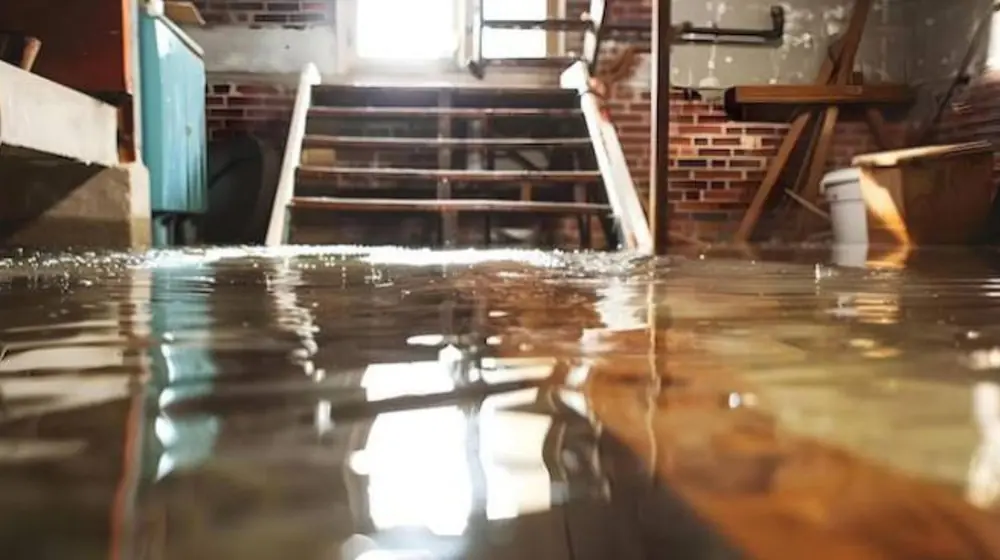
Sewage backup cleanup
Raw sewage from a basement drain is Category 3 water. Stay out of the room, keep children and pets away, do not flush or run water down any drain, and do not try to mop it up yourself. If the water is near the electrical panel, outlets or the furnace, call 911 or the utility first and the restoration line second.
Before cleanup, someone has to find the blockage. If other fixtures drain normally, the clog may be in your own lateral line, and a plumber is the right first call. If neighbors have the same problem, tell the town Sewer Department, which maintains the sewer mains and pump stations, because the cause may be in the public line.
Once the source is cleared, the crew removes the sewage, bags contaminated debris, disinfects hard surfaces and dries the structure. Carpet, pad, insulation and low drywall that sewage touched usually do not go back in. Ask your insurer whether your policy carries a water backup rider, since mass.gov notes that endorsement may give some coverage.
Crawl space and whole-house flooding
Water in a crawl space hides well. It sits under the floor, soaks insulation and joists, and shows up first as an odor upstairs. The source may be groundwater, a broken irrigation line or a failed supply pipe, and extraction in a tight crawl space is slow. Wet fiberglass insulation usually has to come down before the framing can dry.
Whole-house flooding, whether from a failed supply line or a storm that puts water on several levels, is a larger job. Crews work from the top down and sort rooms by what can be saved, with containment so contamination stays out of dry areas.
A loss this size usually needs a written scope before work starts, and your adjuster may want to see it. Call early, because the first day decides how much flooring and cabinetry survives. Our water mitigation work covers the drying stage, and crews reach Swampscott and Salem too.
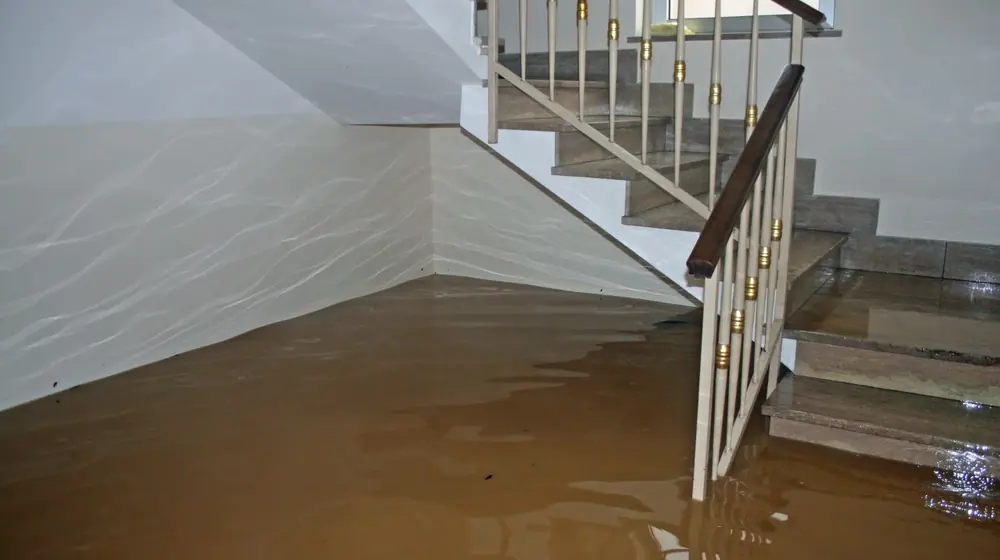
Where Marblehead floods and what it means for you
Marblehead flood notes
The state's MVP planning report names these flood-prone areas: the Causeway to the Neck, Ocean Avenue to Shipyard, Marblehead Harbor and Fort Sewall, Little Harbor to Doliber's Cove, West Shore Drive, and Atlantic Avenue at Preston Beach. On those streets, keep the main water valve and panel easy to find.
The same report calls the Causeway the only road to the Neck and a public safety hazard during storms, wind-driven waves and extreme high tides. For a Neck address that means access can be limited at the worst moment, so call as soon as it is safe rather than waiting for the water to drop.
The town's 2023 Hazard Mitigation Plan lists the March 2018 coastal storm (DR-4372-MA) and the September 2023 severe weather and flooding event among disasters that apply to Marblehead, and says flood zones are present throughout the town. Check the FEMA flood map for your address instead of assuming you sit outside one.
The Engineering Department at 7 Widger Road offers the town's Flood Insurance Rate Maps, and seven map panels apply, including 25009C0438G for Downtown and Fort Sewall. Standard homeowners policies do not cover flood damage, according to mass.gov, so confirm whether you carry separate flood coverage before you file anything.
Sources: Town of Marblehead Hazard Mitigation Plan (Oct 2023), MVP Planning Grant Report 2017-2018 (mass.gov), marblehead.org flood insurance page, mass.gov flood assistance and insurance information.
Water category, risk and handling
| Category | Typical source | Main risk | Usual handling |
|---|---|---|---|
| Category 1 | Broken supply line, tank overflow, rainwater at the point of entry | Low at first, but it degrades within a day or two | Extract, dry in place, keep most materials |
| Category 2 | Washer or dishwasher discharge, sump overflow, groundwater seeping in | Contains contaminants and spreads into porous materials | Extract, remove soaked pad and porous items, clean and treat, dry |
| Category 3 | Sewage, storm or tidal floodwater, long-standing water | Heavy contamination from soil, bacteria and waste | Containment, remove porous materials, disinfect, dry, document |
ANSI/IICRC S500 is the published standard that defines these categories, and you can ask any company whether its crews work to it. Water also moves up a category as it sits.
When the water is gone and the surfaces are dry, the follow-on work is usually water damage cleanup of contents and odors, and then rebuilding. If water sat for several days, ask early about mold remediation so hidden growth is caught before walls close up.
Restoration is not waterproofing
Flood damage restoration removes the water and damage that already happened and dries the structure. It does not stop groundwater from entering again or repair a cracked foundation. If water keeps arriving after storms, a waterproofing contractor or drainage specialist is the right trade, and we will say so plainly. Fix the entry path after the dry-out, or the next storm undoes the work.
Cost factors
Water category
Sewage and floodwater need containment and disinfecting.
Depth and area
A flooded level with wet wall cavities costs more than a damp corner.
Materials affected
Removal of carpet, pad, insulation and drywall, plus flooring or cabinetry.
Equipment and days
Air movers and dehumidifiers run until readings come down.
Access and hazards
Tight crawl spaces and powered-off areas slow extraction.
Scope and price are explained before work starts. Standard homeowners policies do not cover flood damage, per mass.gov, though a sump pump failure or water backup rider may give some coverage, so check your policy and ask your insurer. A figure for your home comes after someone sees the damage, so call the dispatch line to start that conversation.
Frequently Asked Questions
Do you handle flood damage emergencies at night or on weekends in Marblehead?
Yes. The dispatch line runs 24/7, including nights, weekends and holidays. Same-day response is available when crews are free.
Raw sewage is coming up from my basement drain. What should I do right now?
Stay out of the room, keep children and pets away, and stop using every drain and toilet in the house. If water is near the panel, outlets or furnace, leave and call 911 or the utility first.
Then call the dispatch line. A crew can remove the sewage and disinfect once the blockage is cleared, and a plumber or the town Sewer Department may need to deal with the source.
Does homeowners insurance cover flood water in my basement?
According to mass.gov, standard homeowners policies do not cover flood damage, and flood insurance is separate. Some policies add a rider for sump pump failure or water backup that may give limited coverage.
Read your policy and ask your insurer. Photograph everything before cleanup starts.
How long does a flooded basement take to dry?
It depends on depth, materials and how long the water sat. Concrete holds moisture, so drying commonly runs several days with air movers and dehumidifiers, checked by moisture readings rather than by guesswork.
What makes water Category 3?
Category 3 is the most contaminated class under ANSI/IICRC S500 and includes sewage, storm and tidal floodwater, and water that sat long enough to degrade. Porous materials it touches usually have to be removed.
How do I find out if my Marblehead home is in a FEMA flood zone?
Ask the Engineering Department at 7 Widger Road, which offers the town's Flood Insurance Rate Maps, or check the FEMA flood map for your address. Your insurer or lender can also tell you which zone applies.