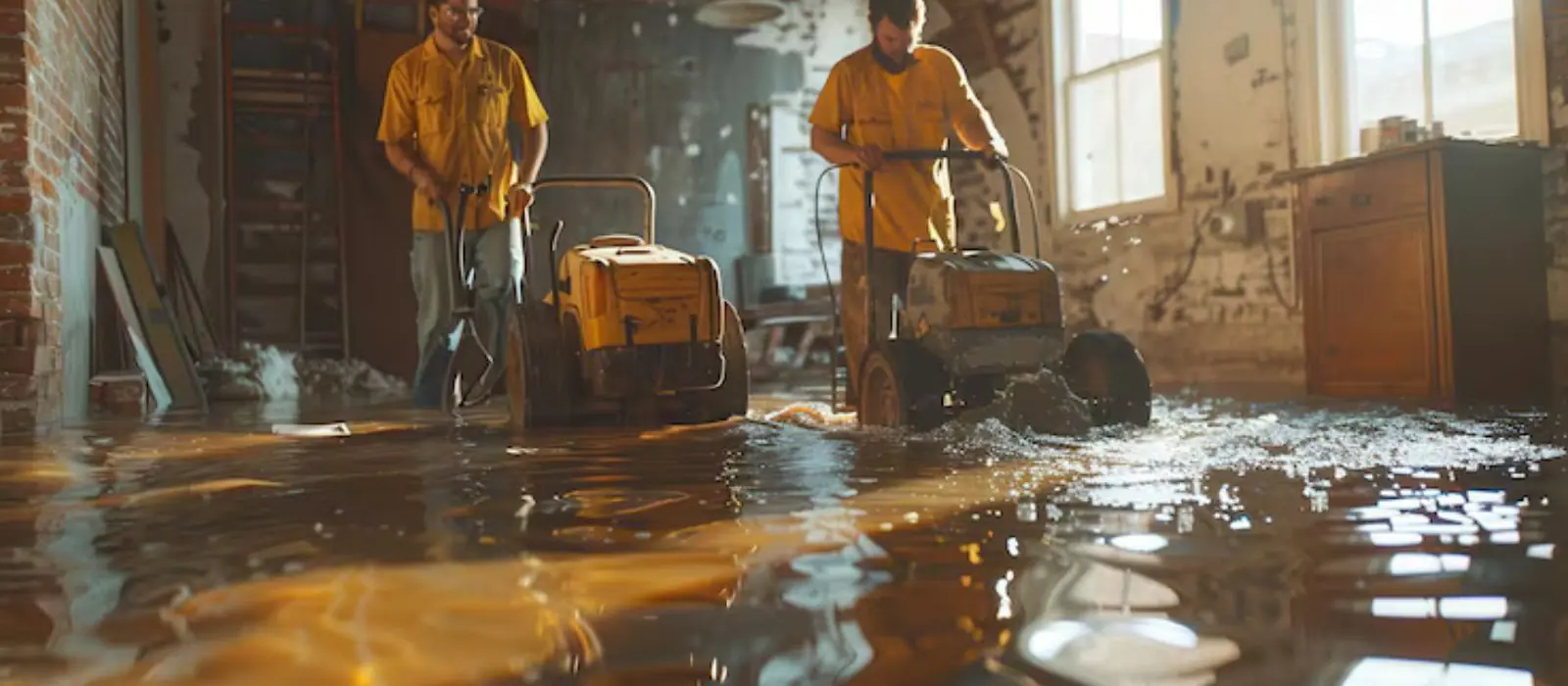
If water has soaked your home and the source is stopped, the clock is already running. The dispatch line answers 24/7, so call as soon as it is safe. While you wait, keep the main water valve shut if a pipe was involved, lift furniture legs off wet carpet, move valuables up high and keep people and pets out of water that may be contaminated.
Shut off electricity to wet rooms only when the breaker panel is dry and easy to reach. For any electrical hazard or gas smell, call 911 or the utility before the restoration line.
The leak is fixed and everything is still wet
The Massachusetts Department of Public Health homeowner mold guide says the Housing Code requires areas to be dried from leaks and floods within 48 hours. Cleanup works to the same window, because soaked porous materials that stay wet past it turn into odor and mold problems. Wet material comes out first, then air moves through the space, then rebuilding decisions are made.
Water damage cleanup is the removal and sanitizing stage that follows the emergency pump-out. It sits between emergency water removal, which handles standing water, and water mitigation, which handles structural drying. Many losses use all three in sequence.
What gets removed and what gets saved
Crews decide material by material, using the water category, how long it sat and whether the material can be dried and cleaned. Clean-water losses caught early save far more than contaminated or days-old ones.
| Material | Usual call | Why |
|---|---|---|
| Carpet pad | Removed and replaced | Foam holds water and is cheap to replace compared with the floor beneath |
| Carpet | Often saved after clean water if lifted and dried fast, removed after Category 3 | Fibers can be cleaned, but sewage or flood contact is not cleanable |
| Drywall | Cut out above the wet line when saturated or contaminated, sometimes dried in place if only damp | Gypsum wicks water upward and crumbles when soaked |
| Insulation | Wet or contaminated batts removed, dry cavities left alone | Wet fiberglass sags and holds moisture against framing |
| Hardwood floors | Dried with specialized equipment when caught early | Boards cup and buckle as they absorb water |
| Particleboard cabinets | Often removed | Particleboard swells and does not return to shape |
| Baseboard and trim | Pulled to dry the cavity, frequently reused | Pulling it opens the wall base to airflow |
Solid framing, concrete and most plaster survive when dried and cleaned. Anything left in place is checked with a moisture meter before it is closed up, and the crew explains the call on each material before the demolition begins.
Contents, sanitizing and odor control
Contents get sorted into three piles: can be cleaned and dried on site, can be moved out for cleaning, and cannot be restored. Hard furniture, glassware and metal usually clean up. Upholstery, mattresses and particleboard furniture touched by contaminated water often do not. Keep discarded items photographed and listed until your adjuster has seen them if you plan to make a claim.
Sanitizing follows removal. Hard surfaces and exposed framing are cleaned, then an antimicrobial treatment suited to the water category is applied. Odor comes from wet materials and the bacteria that grow in them, so spraying a fragrance on top does not hold. Deodorizing works by removing the source material first, then using air scrubbing with carbon filters or fogging if odor remains.
What not to do while you wait for cleanup
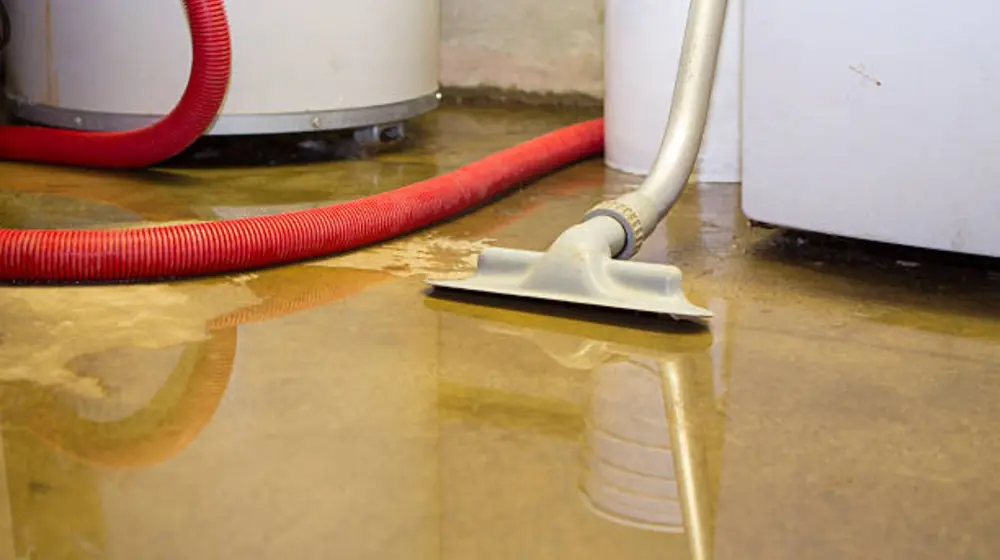
- Do not use a household vacuum on standing or soaked material, since it can shock you and it can spread contaminated water.
- Do not walk through water that may have come from a drain, a toilet or outdoor flooding, because it can carry contamination.
- Do not run ceiling fixtures or touch outlets near wet surfaces unless the power to that area is off at a dry panel.
- Do not throw away damaged items before taking photos, because the photos support any insurance claim you decide to make.
- Do not seal wet carpet or drywall under plastic, because trapped moisture slows drying.
Water stopped but the house is still wet?
Call the dispatch line. Scope and price get explained before any work begins, and same-day response is offered when available.
Documentation for your insurance claim
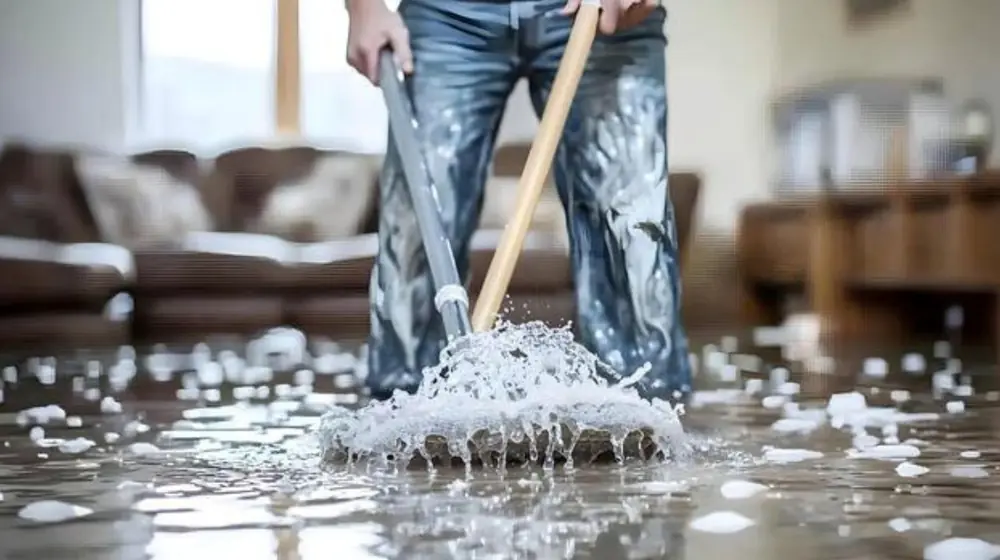
Sudden and accidental water damage is often covered by a standard policy, while gradual leaks and neglect often are not. mass.gov advises photographing damage inside and out before cleanup. Cleanup has to start fast, so document first, then let the work begin.
Photograph first
Take wide shots of each room, close-ups of the water line and the damaged items, and the outside of the home.
Inventory contents
List each damaged item with its approximate age and value, and keep damaged items until your adjuster says otherwise if practical.
Keep every receipt
Save invoices for emergency steps, dumpsters and hotel stays.
Call your insurer
Ask about deadlines, your deductible and whether a rider such as sump pump failure or water backup applies.
Check your policy and ask your insurer what it covers. Standard policies exclude flood damage, as mass.gov notes, which matters if the water came from outside. Our flood damage restoration page covers those jobs.
Rebuilding after cleanup in Marblehead
Permits and rebuilding notes
If cleanup leads to opening walls and rebuilding, ask the Building Inspection Department at 7 Widger Road whether your repair needs a permit. The town's permit page says that failure to obtain a required permit before work starts results in a fee three times the applicable fee. A quick call before drywall goes back up is cheaper than a fee later.
Source: marblehead.org Building Inspection Department, permit page.
If drying took longer than expected, ask about mold remediation before walls are closed. For repairs after cleanup, see water damage repair. Crews also work in nearby Salem and the rest of Essex County.
Cost factors
Water category
Contaminated water needs more removal, containment and disinfecting.
Area affected
The number of rooms and floor levels drives labor and disposal.
Materials removed
Pad, drywall, insulation and cabinets add demolition and haul-away.
Contents work
Moving, cleaning and storing belongings adds time.
Odor treatment
Lingering odor may call for air scrubbing or fogging.
Scope and price get explained before any work begins. Sudden and accidental water damage is often covered by insurance and gradual leaks often are not, so check your policy and ask your insurer. Property-specific pricing starts with a call to the dispatch line.
Frequently Asked Questions
Do you handle water damage cleanup emergencies at night or on weekends in Marblehead?
Yes. Cleanup calls come in at all hours, and the dispatch line is staffed around the clock, holidays included. Crews respond the same day when they are available.
How quickly does cleanup need to start after the water is stopped?
As soon as possible. The DPH homeowner mold guide notes the Housing Code requires drying within 48 hours of leaks and floods, and every hour of wetness makes salvaging carpet, drywall and flooring less likely.
Will you tear out my drywall and carpet?
Only what the water category and moisture readings call for. The crew explains each decision before demolition, and dried carpet or drywall is kept when it can be saved.
What is the difference between water damage cleanup and water mitigation?
Cleanup removes water, debris and ruined materials and sanitizes. Mitigation is the structural drying that stops further damage. They often happen on the same job and may be scoped separately.
Can you get rid of the musty smell after a water loss?
Usually yes, once wet source materials are out. Odor control combines removal, cleaning, air scrubbing and sometimes fogging, but odor from still-wet materials returns until they are dried or removed.
Does homeowners insurance pay for water damage cleanup?
Often yes for sudden and accidental water, and often no for gradual leaks or flooding. Read your policy and ask your insurer, and photograph the damage first as mass.gov advises.
What happens to my belongings during cleanup?
Items are sorted into clean on site, move out for cleaning and not restorable. Keep a photographed list so your claim has a record.