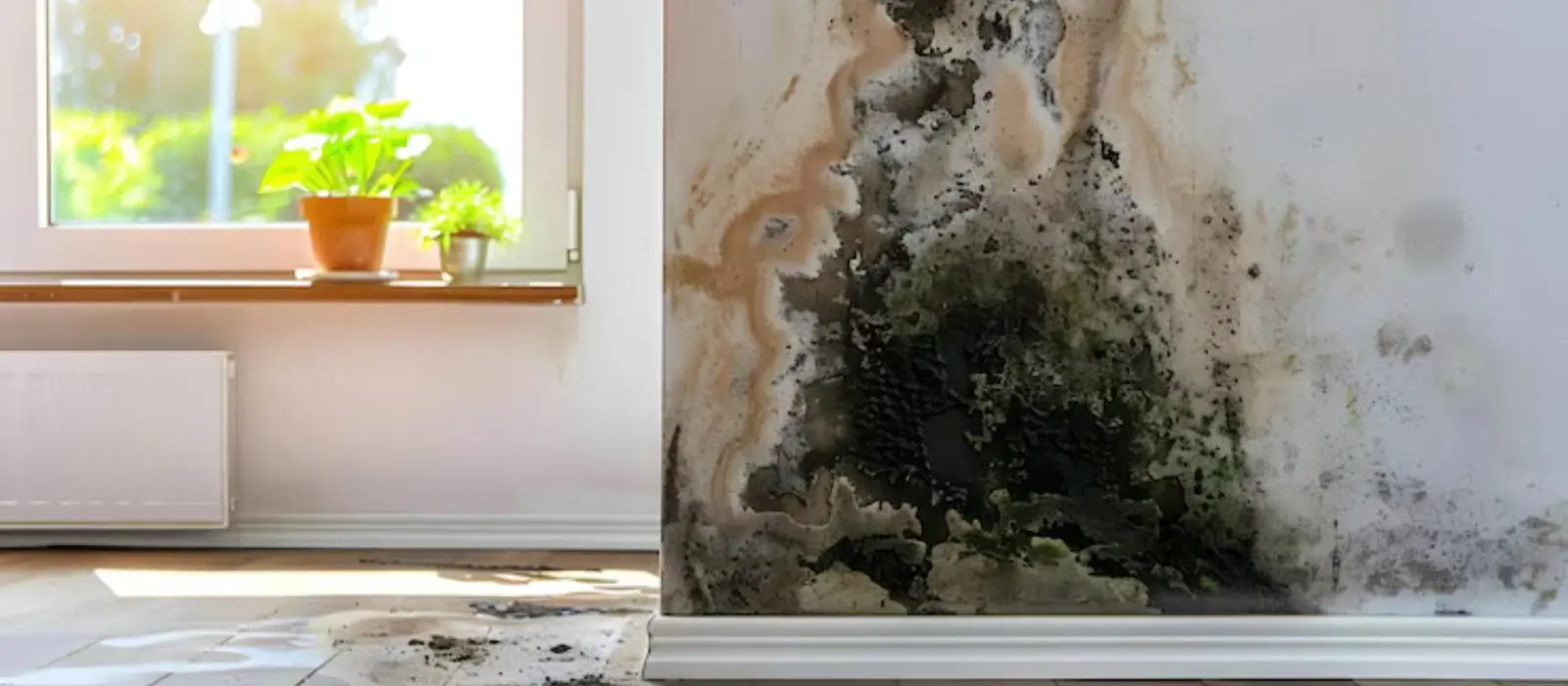
That damp, closed-in odor you notice when you open the basement door is usually the smell of something staying wet. It could be a clothes pile that never dried, a stored cardboard box that has absorbed humidity or a wall cavity that is taking on water from a pipe or foundation crack. The smell is a symptom, so removing it with air fresheners or an ozone gadget does nothing about the cause.
The goal is to find the moisture. Once you know where it comes from, the fix is usually clearer than the smell made it seem.
Start with the most likely sources of moisture
Basements sit against the ground and stay cooler than the rooms above. That makes four moisture sources common: water seeping through foundation walls or the slab, humid air condensing on cool surfaces, a plumbing leak behind a wall or above a ceiling, and a floor drain or sump that holds standing water.
Do not assume which one it is. Each has different clues, and the next sections show how to tell them apart.
Check one: humidity with a hygrometer
A digital hygrometer costs little and tells you the relative humidity of the room. The EPA advises keeping indoor humidity below 60 percent, and ideally between 30 and 50 percent. Place one in the middle of the basement for a day or two and note the high reading.
If humidity stays above those numbers, a dehumidifier sized for the space and emptied or drained often can help, and the Massachusetts DPH homeowner guide also lists properly operated dehumidifiers as a long-term fix for basements. If the readings spike after rain, the source is more likely water entering than ordinary humidity.
Check two: a moisture meter on walls and floors
A pin-type moisture meter reads materials directly, and a pinless one scans the surface. Test the lower wall, the bottom plate of studs where visible, the baseboard and the edge of any carpet or floor covering. Compare to a spot you know is dry, such as an interior wall upstairs.
| What you find | Often points to | Next step |
|---|---|---|
| High humidity, dry walls and slab | Ambient moisture or condensation | Dehumidify, check for cold pipes sweating, improve air circulation |
| Damp lower wall, drier above | Moisture coming through the foundation or from outside grade | Look at gutters, downspouts and exterior drainage, then call a pro if it persists |
| Wet spot near a pipe or fixture | A plumbing leak | Shut the water supply to that fixture and call a plumber |
| Wet or stained ceiling below a bathroom or kitchen | A leak above | Find and stop the source before drying |
| Smell strongest at a floor drain | Drain trap or sewer-side odor | See the sewer odor section below |
| Visible fuzzy or dark growth | Mold on a damp surface | Avoid disturbing it and consider professional assessment |
Meter readings high or smell still strong?
Call the dispatch line and describe what you measured. We will explain what a professional assessment involves.
Look for the hidden leak
Hidden leaks leave patterns. Check the water meter with every fixture off: if the dial or digital flow indicator still moves, water is escaping somewhere. Look at the backs of washing machines, the water heater, the basement bathroom and any pipes along the ceiling, and feel for cold, damp insulation.
Stained or bubbling paint, warped baseboards and a smell that is worse after showers or laundry all point toward plumbing. A plumber can pressure-test lines to locate the leak.
Floor drain odor versus mold smell
A mold or mildew smell is typically earthy and damp, strongest near a wet wall, a stack of stored goods or the base of a wall cavity. A sewer smell is sharper and more like rotten eggs, and it is usually strongest at a floor drain, utility sink or shower trap. Floor drains have a water seal that can dry out in unused drains, letting sewer gas rise.
Pouring water into the trap to refill the seal is a simple first test. If the odor returns, or if you see water backing up, treat it as a drain or sewer issue rather than mold.
Safety note
If you see mold, do not scrub or stir it up dry, because that spreads spores and fragments through the house. Wear an N95 respirator, gloves and eye protection if you must touch a small area, and keep the question of health effects with a physician. If sewage has come up through a drain, keep people away from the water and call a professional.
Marblehead note: reporting a sewer odor
The Town of Marblehead's Hazard Mitigation Plan says the Sewer Department maintains over 100 miles of sewer mains, 3,000 structures and 28 pump stations. A system that large means an odor at a floor drain is not always a problem inside your house, and a recurring sewer smell is worth reporting.
If the smell is sewer rather than mold, call the Sewer Department (100 Tower Way) so they can advise on next steps. If the smell is earthy and tied to a wet wall, treat it as a moisture issue in your own building instead.
Source: Town of Marblehead Hazard Mitigation Plan (Oct 2023) and town departments page, marblehead.org
When a musty smell means call a professional
- The odor returns within days after you have dried and cleaned the area.
- You find visible growth across more than a small patch, or growth on porous materials such as drywall or insulation.
- Moisture readings stay high after a dehumidifier has run for several days.
- The smell followed a flood, a sewer backup or a pipe failure, and materials stayed wet.
- You cannot find the source, or the wall feels damp but nothing is leaking.
A professional assessment looks for the moisture first. Our mold remediation page explains that remediation follows ANSI/IICRC S520 practice, and the Massachusetts DPH guide notes that no licenses are required to conduct mold remediation in Massachusetts, so ask any company how it works and what it will document. Where a leak has already wet building materials, water damage repair follows drying.
Fixes you can try before you call
Dry out the space
Run a dehumidifier, empty it often or route it to a drain, and open interior doors so air moves.
Remove the source of odor
Throw out soaked cardboard, damp rugs and mildewed fabric, and move stored items off the floor onto shelves.
Fix the water coming in
Clear gutters, extend downspouts away from the foundation and make sure grade slopes away from the house.
Insulate cold pipes
Wrap cold water pipes to stop condensation dripping onto items and floors.
Recheck after rain
Read the hygrometer and the moisture meter again after a storm to see if numbers jump.
What affects the scope of a musty-basement job
Where the moisture comes from
A plumbing leak, a drainage fix and an ongoing humidity problem call for different trades.
What is wet
Concrete dries differently from drywall, insulation or finished flooring.
Whether growth is present
Visible mold means containment, removal of affected porous materials and follow-up checks.
Size of the area
Larger affected areas take more equipment and more days of monitoring.
Insurance rarely treats a slow, ongoing moisture problem the way it treats a sudden loss, so check your policy and ask your insurer. The dispatch line can walk you toward a realistic number once the loss is described.
Crews cover Peabody and Beverly as well as Marblehead, so the same process can apply to a second property.
Frequently Asked Questions
Why does my basement smell musty?
A musty smell usually means something is staying damp. Common sources include humid air, seepage through walls or slab, a plumbing leak, damp stored items or a floor drain issue. A hygrometer and a moisture meter help narrow it down.
Does a musty smell always mean mold?
No. It often indicates damp conditions where mold or mildew can grow, but the smell can also come from wet cardboard, damp fabric or a drain problem. Visible growth or high moisture readings are firmer evidence.
What humidity should my basement be?
The EPA advises keeping indoor humidity below 60 percent, ideally between 30 and 50 percent. A hygrometer will tell you where you stand.
How do I tell a sewer smell from a mold smell?
Mold smells earthy and damp and is strongest near wet materials. Sewer gas smells sharper, like rotten eggs, and is usually strongest at a floor drain or utility sink. Refilling a dry drain trap with water is a quick first check.
Who do I call in Marblehead about a sewer odor?
The Marblehead Sewer Department is at 100 Tower Way. Report a recurring sewer smell there, and call a plumber if the source appears to be inside your house.
Can I get rid of the smell with a dehumidifier alone?
It helps when the cause is high humidity. If water is entering through a wall or a pipe is leaking, the dehumidifier will keep fighting a source that has not been fixed.
When should I call a restoration company about a musty smell?
Call if the smell returns after you dry the space, if materials stay wet, if growth is visible beyond a small patch or if the smell followed a flood or sewer backup.